Jet cards
What a jet card fixes, and what it locks you into
A jet card trades flexibility for certainty. Before you sign one, know exactly which problems it solves and which commitments come attached.
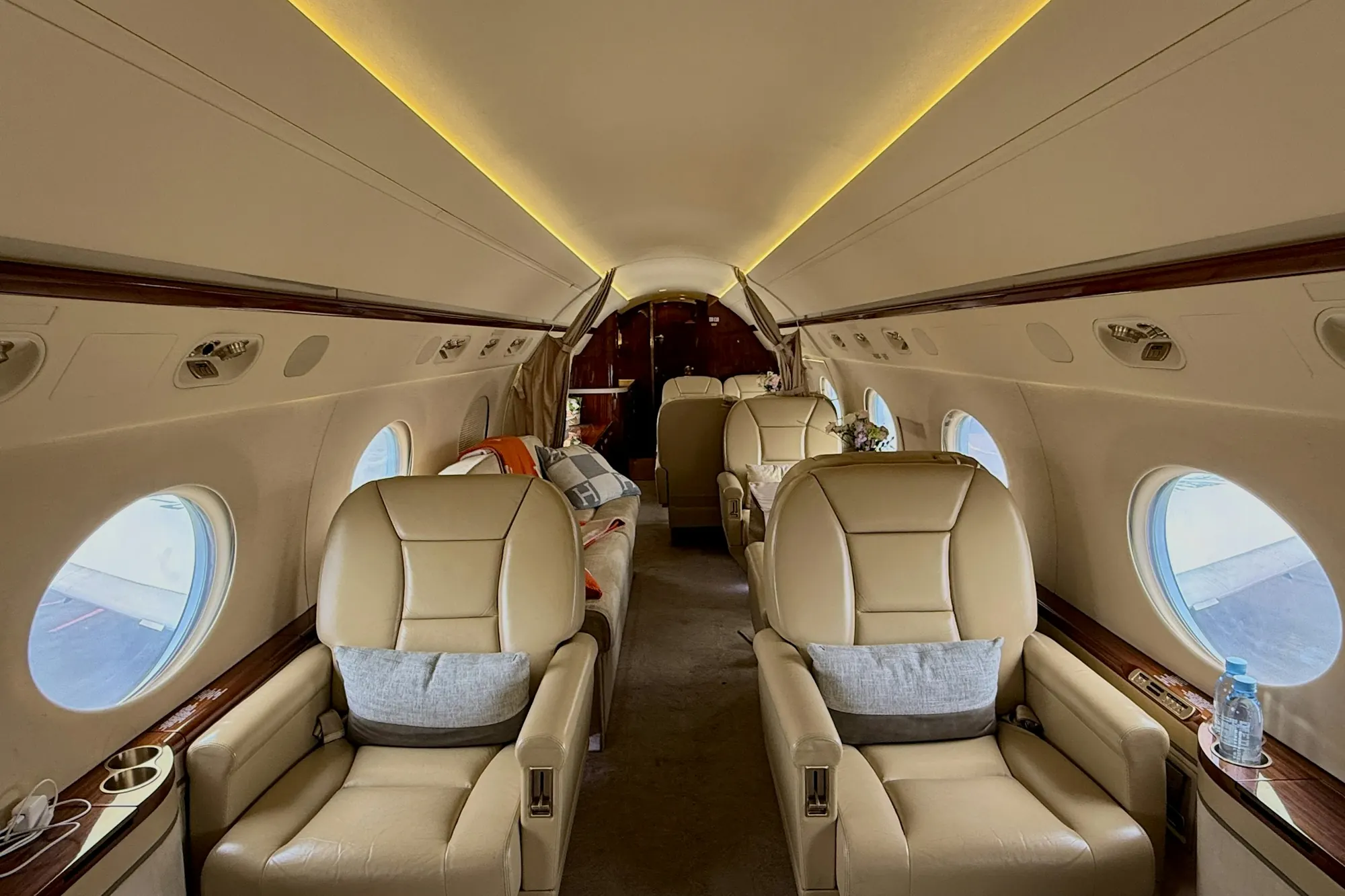
Jet cards are sold on a simple promise: pay in advance, and private flying becomes predictable. For some travellers that promise is worth every dollar. For others it quietly costs more than flying on demand. The difference lies in the details of how a card works, so it helps to separate what a card genuinely fixes from what it asks you to accept in return.
What a jet card is
A jet card is a prepaid arrangement with a program provider. You either buy a block of flight hours, often 25, or place a deposit that is drawn down as you fly. In return you get access to one or more categories of aircraft at a fixed or capped hourly rate, under a written set of terms. You don’t own anything, and you don’t take on the costs of an aircraft. The flights themselves are still operated by certificated carriers, in the US under FAA Part 135.
Programs vary a great deal. Some guarantee aircraft from a single operator, others draw on a wide network. Some fix the rate for the life of the card, others adjust it for fuel. Reading two card agreements side by side is often the first time people realise how different “a jet card” can be.
What a card fixes
Price certainty
The headline benefit is a known hourly rate. On-demand charter is priced trip by trip, and the price moves with demand, the season and where the nearest suitable aircraft happens to be. A card takes most of that movement away, which makes budgeting simpler for a family office or a company travel department.
Guaranteed availability
Most cards promise an aircraft in your category if you book with the required notice. That matters most on short-notice trips and in busy weeks, when the charter market can run out of good aircraft. It is the feature people most often cite when they explain why they bought a card.
Consistency and simplicity
Cards usually come with fixed standards for aircraft age, crew experience and safety audits, and one account for every trip. Many price one-way trips without repositioning charges inside a defined service area, which removes one of the more confusing lines on a charter quote.
What it locks you into
Money paid up front
The deposit or block of hours is paid before you fly. If your year turns out quieter than planned, that money sits with the provider. Whether unused funds can be refunded, and on what conditions, is set by the card’s terms.
A category, not a choice
A card is bought for a category of aircraft. Flying smaller or larger is usually possible at set exchange rates, but it is not the same as choosing freely for each trip. If one month calls for a turboprop to an island and the next for a large cabin jet to Europe, a single-category card fits neither perfectly.
Peak days, minimums and add-ons
This is where the fixed rate gets less fixed. Cards typically add a surcharge on listed peak days, ask for longer notice and sometimes exclude a handful of blackout dates. Most bill a daily minimum of 1 to 2 hours for each day you fly, and some add a fixed taxi allowance to every leg. None of these show up in the headline rate, and all of them show up on the statement.
| Term | What it means | Why it matters |
|---|---|---|
| Hourly rate | The price per flight hour for your category | Check whether it is fixed for the term or adjusted for fuel |
| Booking notice | How far ahead you must book to be guaranteed an aircraft | Often longer on peak days |
| Peak days | Listed high-demand dates | Surcharges and stricter rules apply |
| Blackout dates | Days with no guarantee | Usually the busiest holiday dates |
| Daily minimum | Hours billed per flight day, commonly 1–2 | Raises the real rate on short flights |
| Taxi time | A fixed allowance added to each leg | Adds up over many short legs |
| Service area | Where one-way pricing applies | Outside it, repositioning can be charged |
| Refunds and expiry | What happens to unused funds or hours | Decides the cost of a quiet year |
A general checklist. Every program writes its own terms, and they change; read the current agreement before signing.
A fair way to compare
Comparing a card’s hourly rate with a charter hourly range tells you very little. A better test uses your own flying. Take the trips you flew last year, or the ones you expect next year, and ask the card provider to price them under its terms, including peak-day surcharges, minimums and taxi time. Then ask for all-in charter quotes for the same trips.
As a reference point, 30 hours a year in a light jet works out to roughly $105,000–165,000 of flight time on demand, before tax and fees, at typical US rates of $3,500–5,500 an hour. A card has to beat the real charter total for your trips, not that headline range, once its own extras are counted. The difference between the two totals is the price of certainty. Sometimes it is small and clearly worth paying. Sometimes it is large.
Who a card tends to suit
- People who fly roughly 25 to 100 hours a year in a consistent size of aircraft.
- Travellers who often decide late and can’t risk the market having nothing available.
- Companies that value one invoice, fixed rates and agreed safety standards.
- Flyers whose trips mostly avoid the peak-day calendar.
Questions to ask before you sign
- Which dates are peak or blackout days over the next twelve months, and how many of my trips fall on them?
- What is the daily minimum, and does it apply to days when the aircraft waits for me?
- Is taxi time added to each leg, and how much?
- Can the rate change during the term, for fuel or any other reason?
- What happens to unused funds if I stop flying, and when do hours expire?
- Which operators fly the trips, and which safety audits do they hold?
Where we come in
We don’t sell jet cards. We arrange on-demand charter from Part 135 operators and price it all-in, which makes our quotes a useful benchmark when you are weighing a card. Send us the trips you would use a card for, and you’ll see exactly what they cost without one.