Turboprop
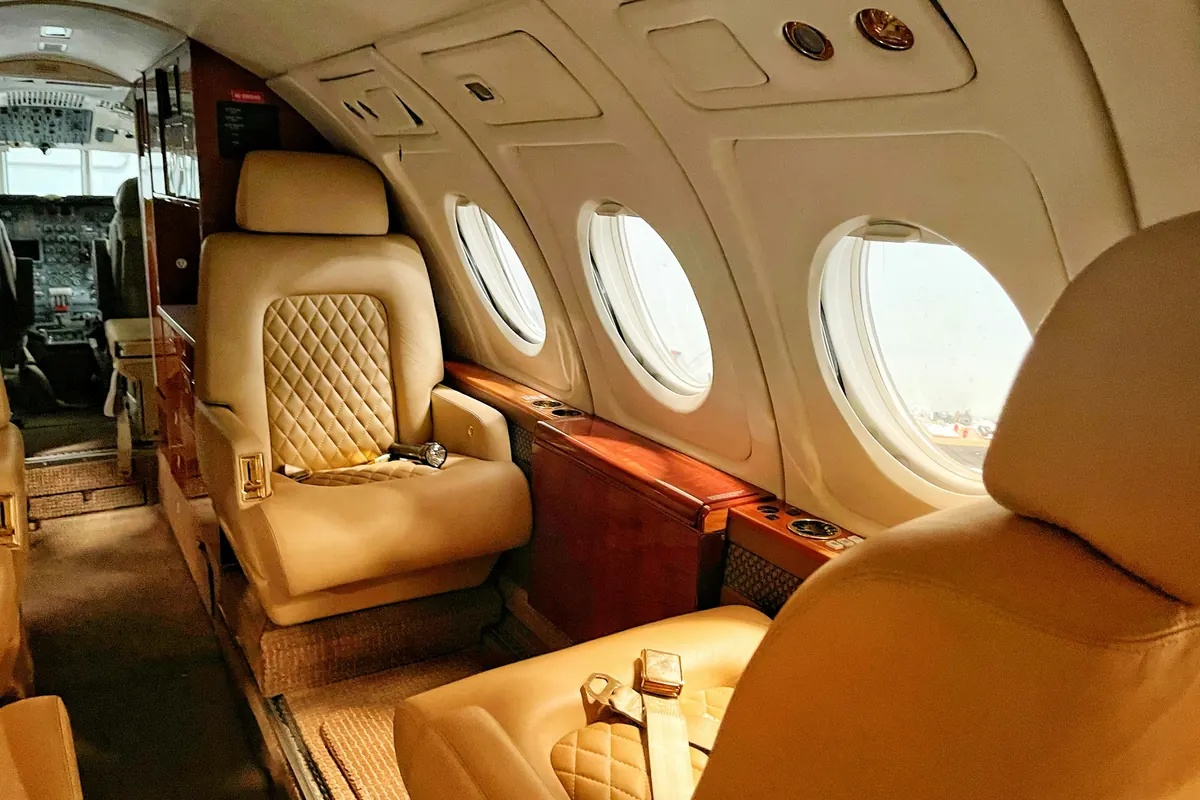
Pilatus PC-12, King Air 350
- Seats
- 6–9
- Range
- ~1,800 nm
- Per hour
- $1,800–3,200

On-demand charter, explained
A jet card buys certainty: a fixed rate and an aircraft when you call. Charter buys freedom: nothing paid up front and the right aircraft for each trip. Tell us a trip you will actually take and we’ll price it all-in, so you have a real number to hold against any card offer.
Price a trip
All-in charter quotes, with the operator named.
We say so when a card would serve you better than charter, and explain why.
Excise tax, segment fees and known airport costs appear on every quote.
Every flight is run by a Part 135 carrier, or its foreign equivalent abroad.
No deposit, no membership and no minimum hours, just a quote for the trip.
At a glance
Card programs differ, so treat this as the general shape of the trade, then read the terms of any card you are offered.
| Consideration | Jet card | On-demand charter |
|---|---|---|
| Money up front | A deposit or block of hours, paid before you fly | Nothing until you book a trip |
| Hourly rate | Fixed or capped for the term, by category | Quoted per trip; moves with demand |
| Guaranteed aircraft | With set notice, outside peak and blackout days | Confirmed by the operator trip by trip |
| Peak days | Surcharges, longer notice, some blackouts | No blackouts, but prices climb with demand |
| Daily minimums | Commonly 1 to 2 billed hours per flight day | Set by each operator, often 1 to 2 hours |
| One-way trips | Often one-way pricing inside a service area | May include the empty return; empty legs help |
| Choice of aircraft | The categories your card covers | Any category, chosen for each trip |
| If you stop flying | Refunds depend on the card’s terms | Nothing to unwind |
in your favour · depends on terms or timing · works against you. We don’t sell cards; we quote charter, so you can test any card offer against real numbers.
Run the calculator
Card vs charter calculator
Answer four questions about how you fly and get a verdict with the reasons behind it, plus an estimate of what the same hours cost on demand.
Aircraft
Card or charter, you choose among the same categories. Hourly ranges are US market estimates before tax and fees.
Pilatus PC-12, King Air 350
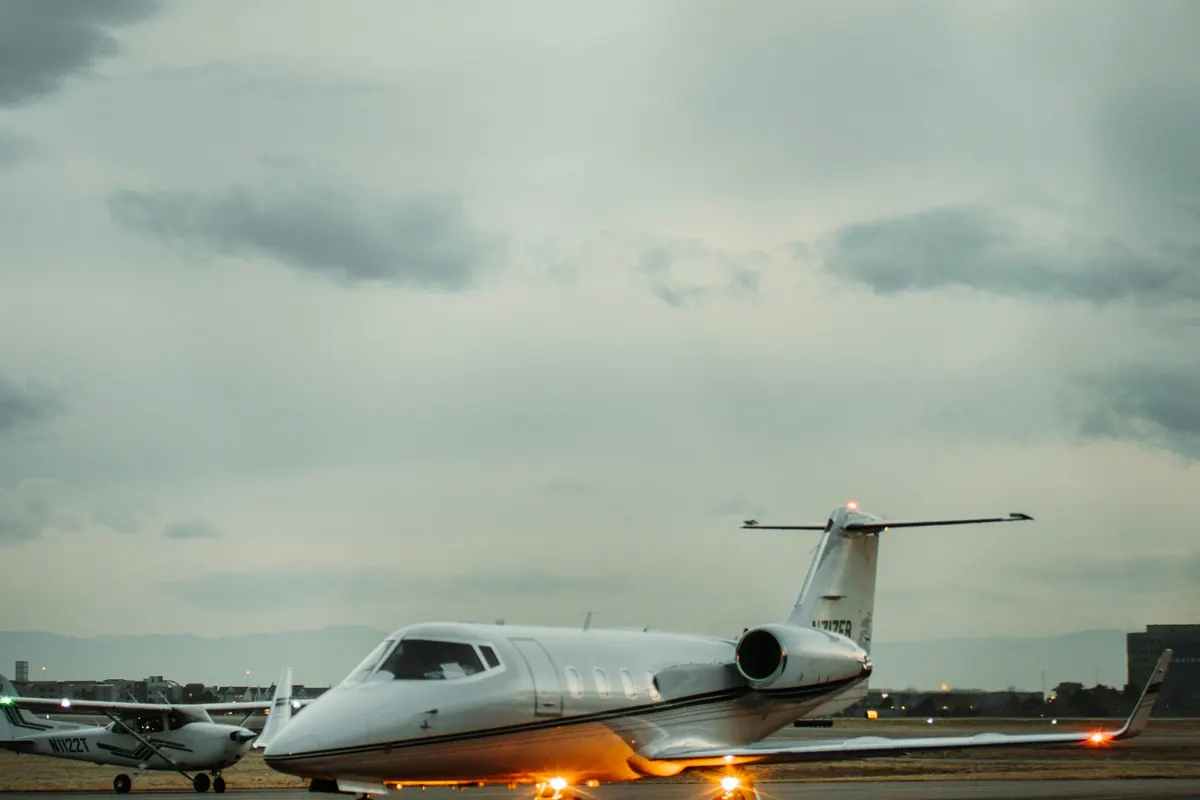
Phenom 300E, Citation CJ4, Learjet 75
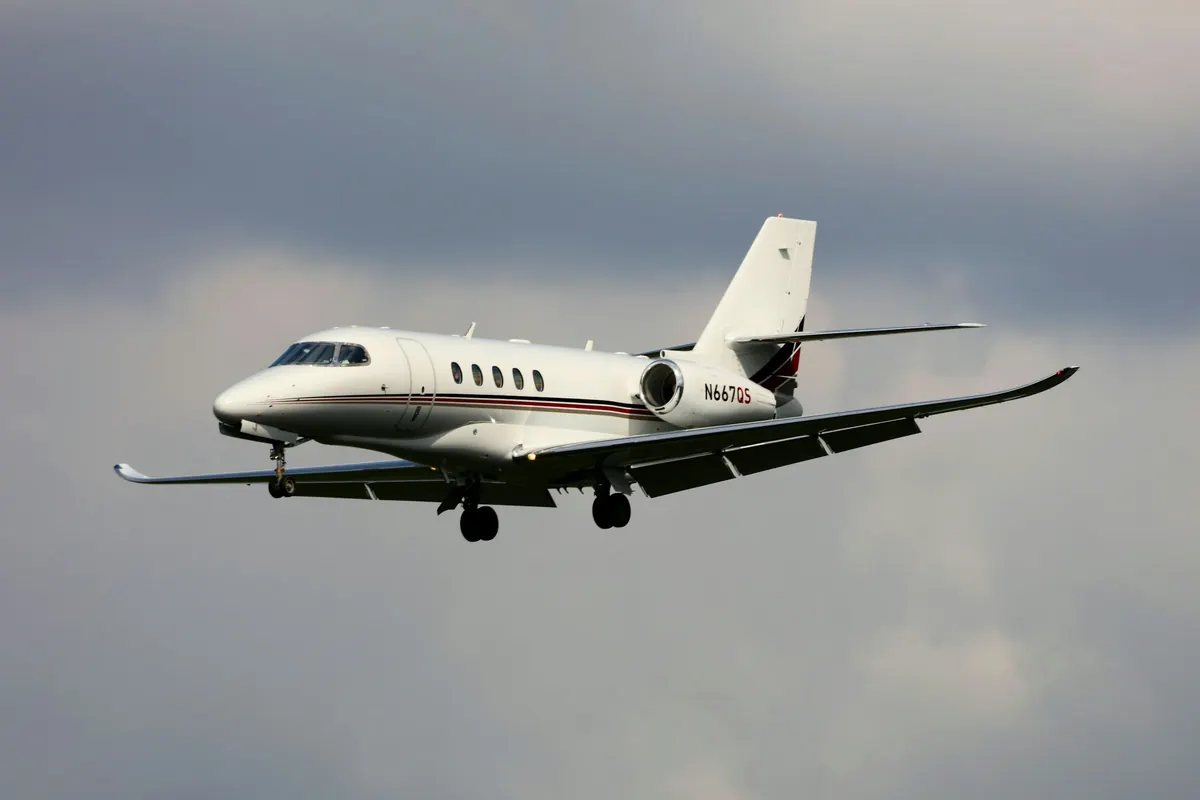
Citation XLS+
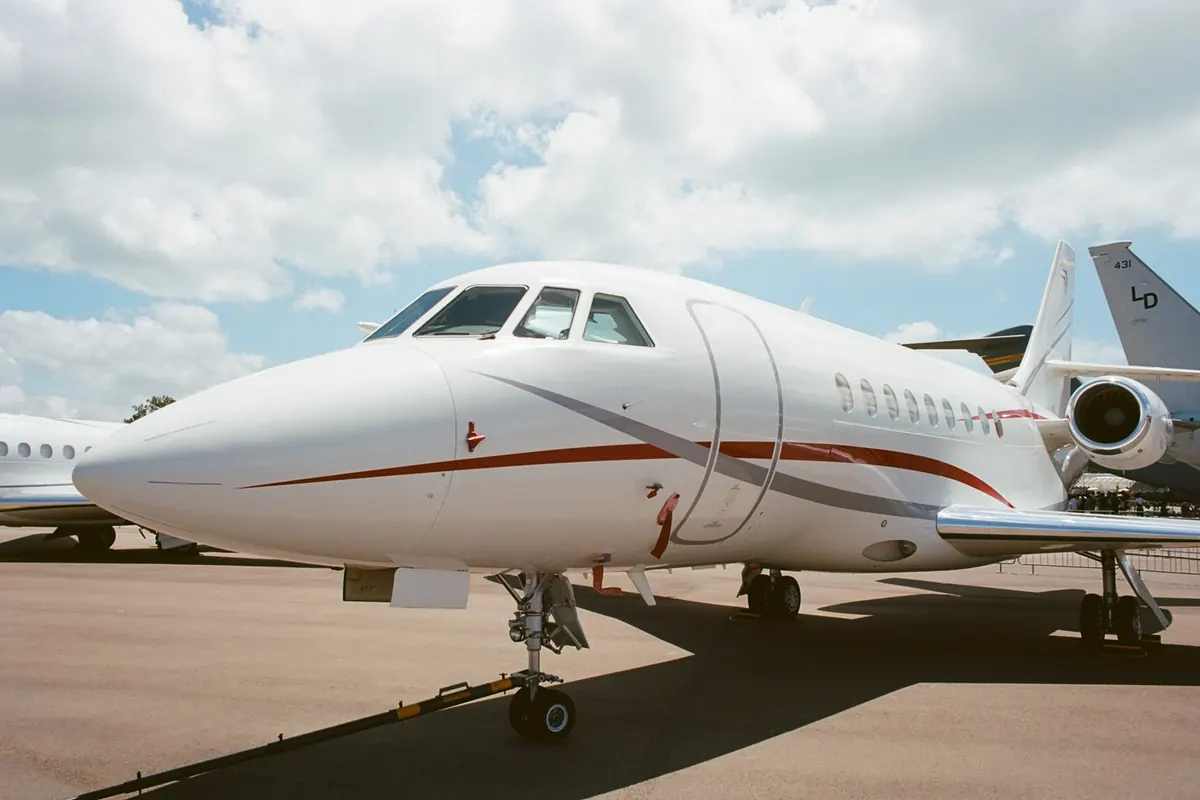
Challenger 350, Citation Longitude, Praetor 600
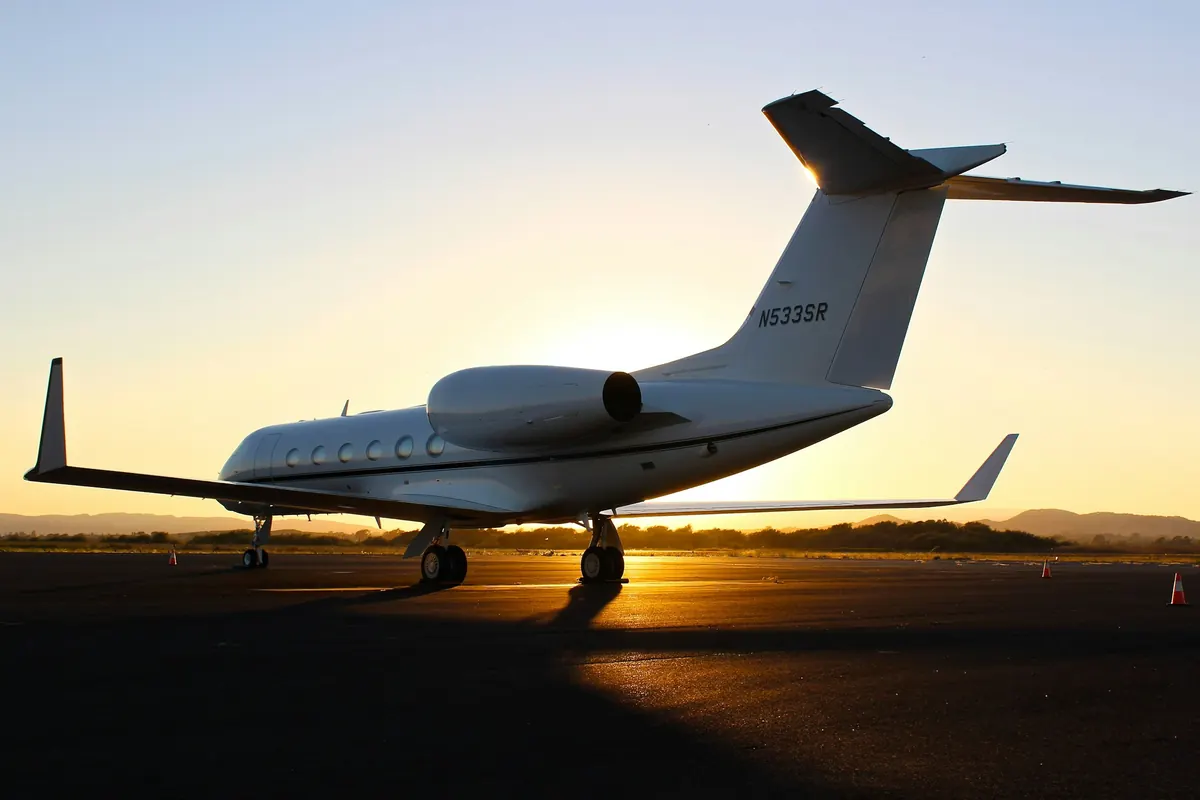
Gulfstream G450, Challenger 650, Falcon 2000LXS
Ultra long range jets such as the G650ER and Global 7500 sit above these, at roughly $12,000–20,000+ an hour. Full specifications
How it works
A route, a date and the number of passengers. Mention any card offer you are weighing, if you like.
We approach Part 135 operators with suitable aircraft and build an all-in price for each option.
Hold our quote against a card’s hourly rate, surcharges and minimums for the very same trip.
Sign the charter agreement and pay. Your trip sheet follows, and the same advisor stays with you.
Popular routes
Flight times are approximate for a typical jet. Pick one to begin a quote with the route already entered.
Standards
Card or charter, the aircraft should come from a certificated operator with a clean record. Every flight we arrange is run under FAA Part 135, or the foreign equivalent abroad, by the carrier in operational control of the aircraft.
The rule itself is public: 14 CFR Part 135 on eCFR.
ARGUS ratings, from Gold through Gold+ to Platinum, reflect a review of an operator’s safety record, pilots and aircraft; Platinum operators have also passed an on-site audit.
Operators that pass Wyvern’s audit against its safety standard are designated Wyvern Wingman, a mark many corporate travel policies call for.
The industry’s international code of practice for business aircraft. Registered operators progress through stages 1, 2 and 3 as their safety management matures.
Questions
It depends on how you fly. A card fixes the hourly rate, but you pay up front and accept peak-day surcharges and daily minimums. Below roughly 25 hours a year, paying per trip usually comes out ahead; above that, price both against your real trips.
Typically a fixed hourly rate for a category of aircraft, and an aircraft whenever you book with the required notice, except on the program’s peak or blackout days. The precise promises sit in each card’s terms, and they vary from program to program.
No. We arrange on-demand charter. If you are weighing a card, send us two or three trips you would use it for and we will quote them, so the comparison rests on real numbers.
Peak days are high-demand dates, mostly around major holidays, when cards add a surcharge or ask for longer notice. Blackout dates are the few days when a program may not guarantee an aircraft at all.
The fewest hours you are billed for any day you fly, commonly 1 to 2. Cards and charter operators both use them, and they weigh most heavily on short flights.
Yes, and plenty of frequent flyers do: the card covers routine trips, while charter handles peak days, unusual routes or a different size of aircraft.
A certificated carrier: an FAA Part 135 operator in the US, or the equivalent authority’s operator abroad. You learn which one before you book.
Nothing at all. There is no membership and no deposit; payment comes only when you book and sign the charter agreement.
Perspectives
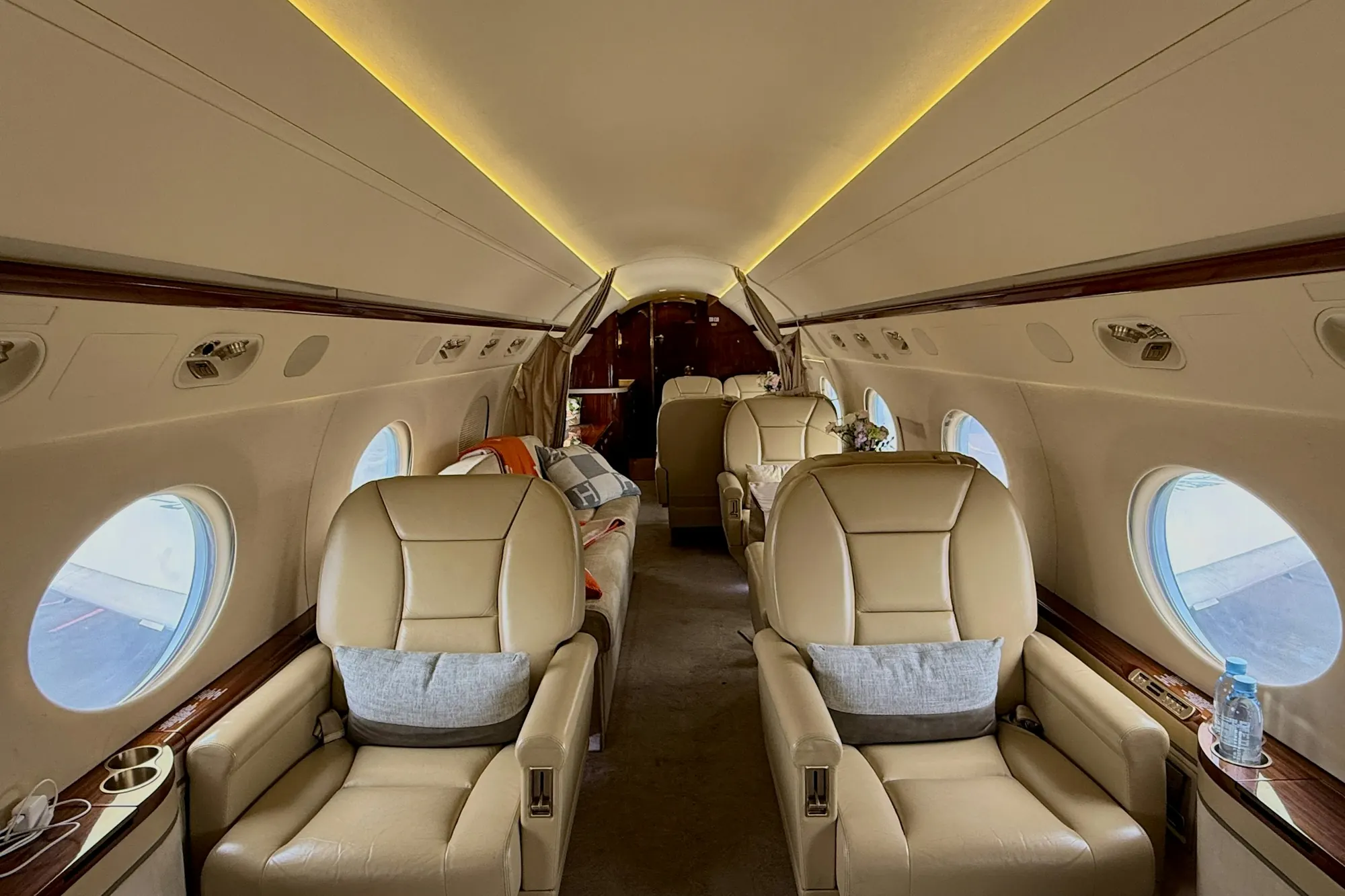
What a jet card really solves, from fixed hourly rates to guaranteed aircraft, and the commitments, surcharges and terms that come with it.

How peak-day surcharges, blackout dates and daily minimums work on jet cards, what they do to the real hourly rate, and how charter compares.

The flying patterns where paying per trip beats a jet card: fewer hours, peak-heavy calendars, changing aircraft needs and flexible plans.
Request a quote
A charter quote is the benchmark every card offer should beat. Send the trip and an advisor will come back with the aircraft, the operator and an all-in price.
Your trip